

The Florida Crawl Space Checklist: 10 Things Homeowners Should Look for Twice a Year
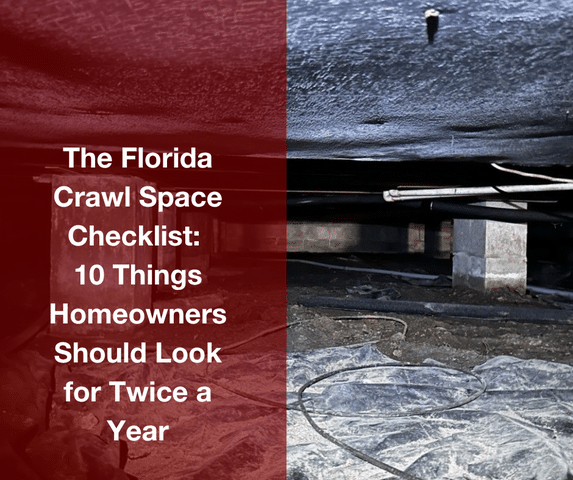
If your Florida home has a crawl space, it's easy to forget about it. But with Florida's heat, humidity, heavy rain, and storms, your crawl space can develop problems that eventually affect the rest of your home.
The good news? You don't have to be a contractor to perform a basic crawl space check. Taking a look twice a year can help you catch potential problems early. Here are 10 things every Florida homeowner should look for:
1. Standing Water or Damp Areas
Look for puddles, muddy soil, water stains, or areas that stay consistently damp. Recurring moisture can contribute to wood damage, mold, and other problems. If you see standing water or water entering the crawl space after rain, it's time to call a professional for help.
2. Musty Odors
A strong musty or earthy smell can be a sign that moisture is lingering beneath your home. Don't assume that opening crawl space vents will automatically solve the problem—Florida's humid outdoor air can actually contribute to moisture issues depending on the crawl space design.
Call the professionals at LRE Foundation Repair if the musty smell persists or you notice it inside your home.
3. Damaged or Deteriorating Wood
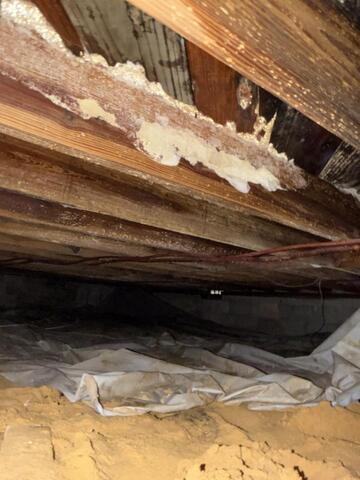
Inspect floor joists, beams, and other wood components for dark staining, cracking, softness, or signs of deterioration. If structural wood looks damaged, soft, or rotten, or if you can't access the crawl space area yourself, a professional consultation can help.
4. Uneven or Sagging Floors
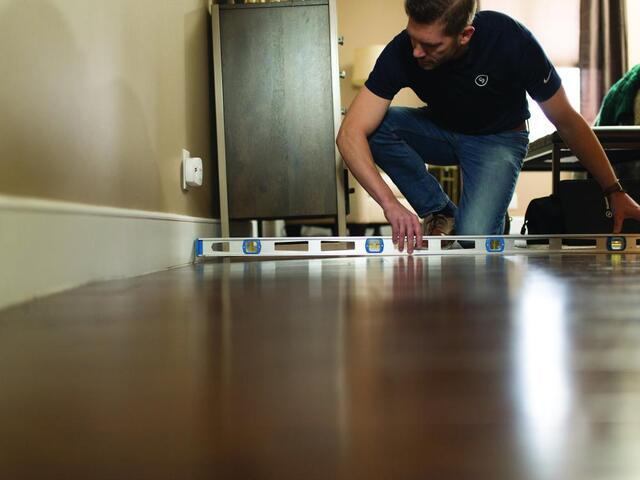
Pay attention to how your floors feel inside the house. New bouncing, sagging, or uneven areas could indicate a problem underneath your home. And of course, call a professional if you notice a new or worsening change in your floors.
5. Damaged Vapor Barrier
If your crawl space has a vapor barrier or encapsulation, check for tears, holes, gaps, or areas where it has pulled away from the walls. Proper encapsulation or vapor barrier installation is an important part of moisture control in applicable crawl spaces. If you notice severely damaged, missing, or repeatedly affected areas, call LRE to help.
6. Mold or Condensation
Look at the wood, foundation walls, and other surfaces for visible mold-like growth or excessive condensation, and call the professionals if you see widespread growth or moisture that keeps coming back.
7. Foundation and Crawl Space Supports
Check posts, piers, beams, and other supports for cracks, shifting, leaning, or deterioration.
Call a professional if anything appears damaged, unstable, or out of alignment. Don't attempt to adjust structural supports yourself.
8. Wet or Falling Insulation
Look for insulation that is wet, sagging, damaged, or falling from the floor above.
If insulation repeatedly becomes wet or there are signs of moisture damage around it, it's time to call a professional.
9. Signs of Pests
Look for droppings, nesting materials, damaged wood, insects, or obvious entry points. You guessed it! Call a professional if you discover significant wood damage or conditions that may be contributing to recurring pest problems. And if searching for pests isn't your thing, LRE Foundation Repair is there to the rescue!
10. Changes Since Your Last Inspection
This may be the most important step. Take a few pictures during each inspection so you can compare them six months later. Ask yourself: Does anything look different? A new wet spot, damaged wood, shifted support, or change in the floor above could be an early warning sign.
When Is It Time to Call a Professional?
A twice-yearly inspection isn't meant to replace a professional evaluation. It's meant to help you recognize when something may be wrong. You know your home better than anyone. So, when concerns arise, consider calling a crawl space or foundation expert like LRE. LRE can help diagnose problems, point out areas to keep an eye on, or custom-design a perfect crawl space repair solution tailored specifically for your needs. If you notice:
- Persistent moisture or standing water
- Rotting or damaged wood
- Sagging or uneven floors
- Shifting or damaged supports
- Persistent musty odors
- Excessive humidity or condensation
- New cracks or other signs of movement
Don't panic! It doesn't necessarily mean you have major structural damage. It simply means it's time to have someone qualified take a closer look.
Don't Let a Small Crawl Space Problem Become a Big One!
Your crawl space may be out of sight, but it plays an important role in your home. A quick inspection twice a year can help you spot potential problems before they become more expensive repairs. If you discover any of the issues mentioned in this article, LRE Foundation Repair is there to help, and can determine what's happening and what needs to be done.
From crawl space repairs and support systems to moisture-control solutions, LRE's free, professional evaluation can help you understand the problem and protect the structure of your home for years to come. A little attention now will go a long way toward protecting your home later.
