

Why Crawl Space Humidity Gets Worse During Miami Summers
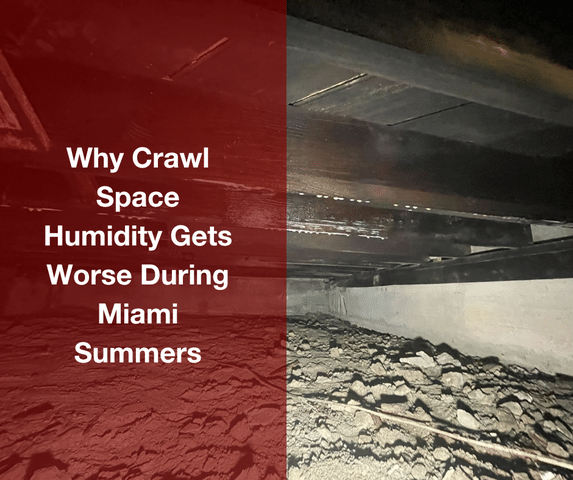
For many Miami homeowners, summer brings more than just hot temperatures and afternoon thunderstorms. It also brings a significant increase in humidity that can create serious problems beneath your home. If your house has a crawl space, the warm, moisture-laden air common throughout South Florida can quickly lead to excess humidity, mold growth, wood rot, and even sagging floors. Unfortunately, many homeowners don't realize there's a problem until they begin noticing musty odors, uneven flooring, or visible damage. Understanding why crawl space humidity worsens during Miami summers can help you protect your home and avoid costly structural repairs.
Why Miami Summers Create the Perfect Environment for Crawl Space Moisture
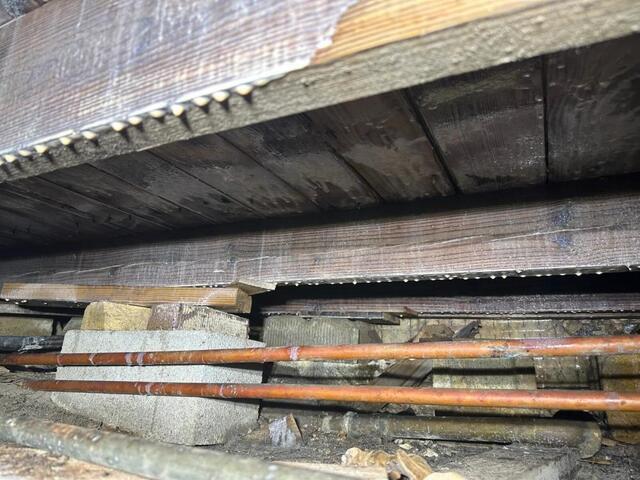
Miami experiences some of the highest humidity levels in the United States. During the summer months, temperatures routinely climb into the 80s and 90s while humidity levels remain extremely high. Add frequent thunderstorms and the arrival of hurricane season, and crawl spaces become especially vulnerable to moisture problems. Warm air naturally holds more moisture. When this humid air enters a cooler crawl space, condensation can form on wood framing, pipes, ductwork, and other surfaces. Over time, this moisture accumulates and creates an environment where mold, mildew, and wood decay thrive. Many older homes were built with vented crawl spaces that were originally intended to promote airflow. However, in Florida's climate, these vents often allow even more humid air to enter the crawl space, making the problem worse rather than better.
Hurricane Season Adds Even More Moisture
From June through November, Florida homeowners must contend with hurricane season. Tropical storms and hurricanes bring prolonged periods of heavy rainfall, elevated groundwater levels, and excessive humidity. Even if a home does not experience direct flooding, the increased moisture in the surrounding soil can affect the crawl space. Water vapor can rise from the ground beneath the home, while wind-driven rain can find its way into crawl space vents and openings. Following a major storm, homeowners often discover that their crawl space feels damp, smells musty, or remains humid for weeks afterward. Without proper moisture control measures, these conditions can lead to long-term structural damage.
Warning Signs of Excess Crawl Space Humidity
Many homeowners spend little time inspecting their crawl space, so problems often go unnoticed until symptoms appear inside the home. Some common warning signs include:
- Musty or mildew-like odors throughout the home
- Increased indoor humidity levels
- Condensation on windows
- Floors that feel soft, bouncy, or uneven
- Visible mold growth
- Warped hardwood flooring
- Pest activity attracted by damp conditions
- Rising energy bills due to increased HVAC workload
If you notice any of these issues, your crawl space may be retaining excessive moisture.
Mold and Mildew Growth
One of the most common consequences of high crawl space humidity is mold and mildew growth. Mold thrives in warm, damp environments, making Miami crawl spaces an ideal breeding ground. Once mold begins growing beneath your home, spores can travel through the air and impact indoor air quality. Many homeowners first notice a persistent musty smell that seems impossible to eliminate. While air fresheners may temporarily mask the odor, the underlying moisture problem remains. Beyond unpleasant odors, mold can damage building materials and contribute to poor indoor air quality throughout the home. Because up to half of the air inside a home can originate from the crawl space, moisture problems below can directly affect living conditions above.
Wood Rot and Structural Damage
Excess humidity doesn't just encourage mold—it can also damage the wooden components that support your home.
Floor joists, beams, subflooring, and other structural members absorb moisture when humidity remains elevated for long periods. Over time, this can lead to wood rot and deterioration. As wood weakens, its ability to support the structure decreases. What begins as a moisture issue can eventually become a significant structural concern requiring extensive repairs. The longer moisture remains unchecked, the greater the risk of permanent damage to your home's foundation support system.
Why Floors Begin to Sag
Many homeowners are surprised to learn that sagging or uneven floors often originate in the crawl space. When wood framing absorbs moisture, it can warp, bend, or lose strength. Damaged floor joists may no longer adequately support the weight of the home above them. As a result, homeowners may notice:
- Floors that slope or dip
- Gaps between walls and floors
- Cracks in drywall
- Doors that stick or won't close properly
- Bouncy or springy floor sections
These symptoms often indicate that moisture-related damage has been affecting the crawl space for months or even years.
The Importance of Professional Crawl Space Repair
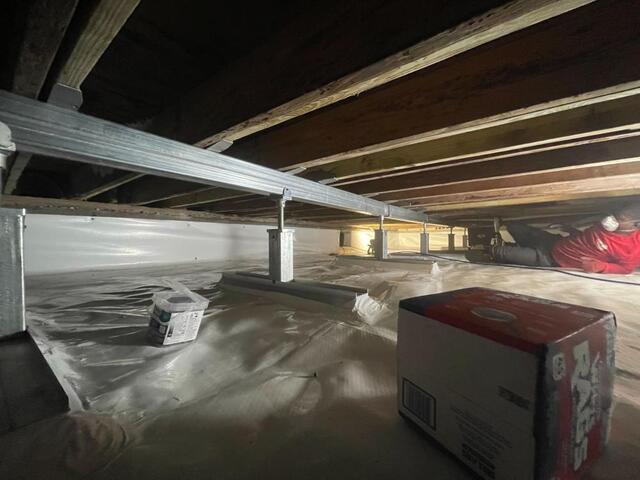
While homeowners can take small steps such as improving drainage or monitoring humidity levels, significant crawl space moisture problems typically require professional evaluation and repair. A comprehensive crawl space solution often includes:
- Moisture inspections
- Vapor barrier installation
- Crawl space encapsulation
- Structural repairs
- Floor support reinforcement
- Mold prevention measures
- Drainage improvements
- Dehumidification systems
Addressing the source of moisture is critical. Simply treating symptoms without controlling humidity can allow damage to continue behind the scenes. When crawl space humidity begins affecting your home's comfort and structural integrity, working with an experienced foundation and moisture-control specialist can make all the difference. Companies like LRE Foundation Services understand the unique challenges Miami homeowners face during the hot, humid summer months and hurricane season. Our team can evaluate crawl space conditions, identify sources of excess moisture, and recommend customized solutions designed to protect your home's foundation and structural components.
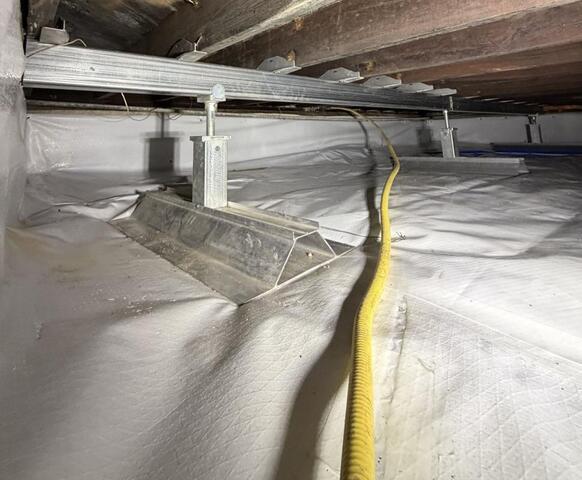
Whether you're dealing with musty odors, mold concerns, wood rot, or sagging floors, professional crawl space repair services can help restore a healthier and more stable environment beneath your home. Miami's summer climate creates ideal conditions for crawl space humidity problems, but the good news is that early intervention can prevent many of these issues from becoming major repairs. If you've noticed signs of moisture beneath your home, now is the time to have your crawl space inspected. Take action today by calling LRE for a free home inspection, and help protect your home's value and indoor air quality for years to come.
