

Crawl Space Vents: How Small Openings Can Lead to Big Moisture Problems
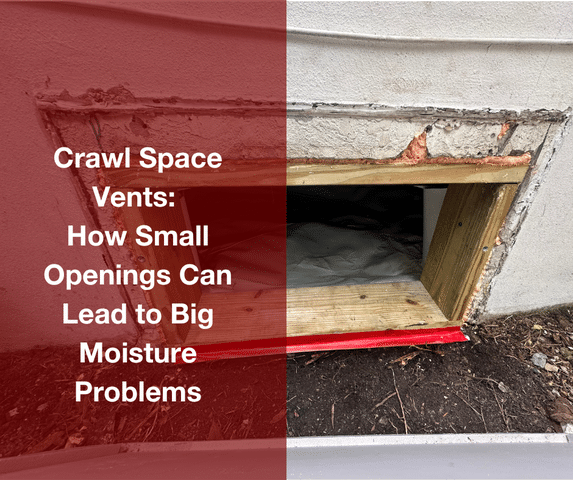
When homeowners think about moisture in a crawl space, they often picture standing water, plumbing leaks, or flooding after a major storm. But in Florida, one of the most overlooked sources of crawl-space moisture may be much smaller: the crawl space vent.
Crawl space vents were traditionally used to provide ventilation beneath homes. The idea was simple—allow outside air to circulate through the crawl space and help prevent moisture buildup. However, Florida's warm, humid climate creates a unique challenge. When hot, moisture-filled outdoor air enters a cooler crawl space, it can introduce humidity and contribute to condensation on cooler surfaces. That means an open, damaged, poorly sealed, or improperly designed crawl space vent may allow far more moisture into the space than homeowners realize.
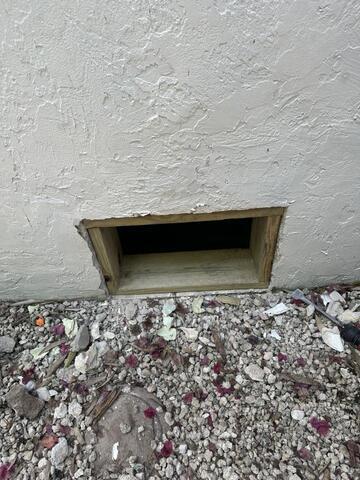
The good news is that crawl-space moisture can often be managed through a combination of vent repair, moisture control, dehumidification, drainage, and crawl space encapsulation. Addressing the problem early can help protect the home's wood framing, foundation, indoor air quality, and long-term structural performance.
Why Crawl Space Vents Can Become a Moisture Problem
A vent itself isn't necessarily a problem. The issue is what happens when uncontrolled outdoor air enters the crawl space. Florida air can contain significant amounts of moisture, particularly during the warmer months. When humid air enters a crawl space and comes into contact with cooler wood, concrete, ductwork, plumbing, or other surfaces, condensation can occur. Over time, repeated moisture exposure can contribute to:
- Elevated humidity levels
- Condensation
- Musty odors
- Mold and mildew growth
- Deterioration of insulation
- Wood rot and deterioration
- Damage to floor joists and subflooring
- Increased risk of pest activity
- Poorer indoor air quality
An improperly sealed vent can also allow rainwater, wind-driven moisture, leaves, insects, and other debris into the crawl space. In other words, a small opening in the foundation wall can become an ongoing pathway for unwanted moisture.
When Should a Crawl Space Vent Be Repaired or Sealed?
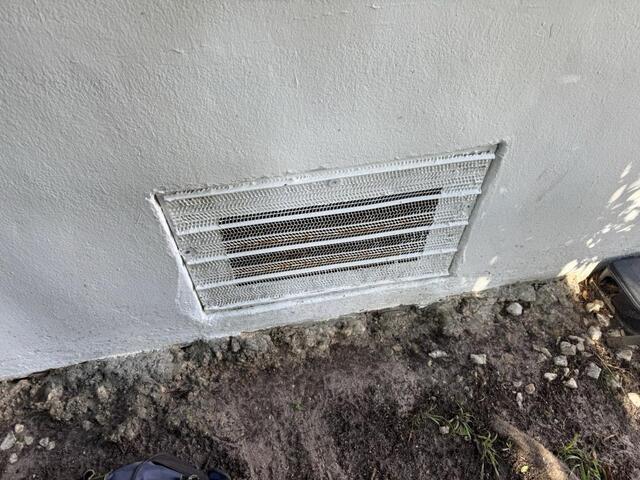
Not every crawl space should simply have its vents covered without further evaluation. The appropriate solution depends on the home's design, climate, drainage conditions, and the condition of the crawl space. A professional inspection can help determine whether vents are damaged, improperly installed, allowing water intrusion, or contributing to elevated humidity.
Signs that a crawl space may need attention include visible damage around vents, rusted or deteriorated vent components, water stains, wet insulation, condensation, musty odors, mold or mildew, damp soil, or wood showing signs of moisture-related deterioration. The goal isn't simply to close an opening. The goal is to control what enters the crawl space and create a predictable moisture environment. For some homes, that may mean repairing or replacing damaged vent components. For others, especially homes with persistent humidity problems, a more comprehensive crawl-space encapsulation system may be appropriate.
Vent Repair Is Only One Part of Moisture Control
Repairing a damaged vent can prevent unwanted outside air or water from entering through that particular opening. However, it may not eliminate moisture that is already coming from other sources.
A crawl space can receive moisture from several pathways, including:
- Humid outdoor air
- Exposed soil
- Groundwater
- Foundation seepage
- Plumbing leaks
- Rainwater intrusion
- Poor exterior drainage
- Condensation
That's why moisture problems should be approached as a system rather than a single repair. If the crawl space has standing water, for example, sealing a vent won't solve the underlying problem. Likewise, if humidity is coming from exposed soil, repairing the vent alone won't address the source. The right solution starts with identifying where the moisture is coming from and how it is getting into the crawl space.
Dehumidifiers: Controlling Humidity From the Air
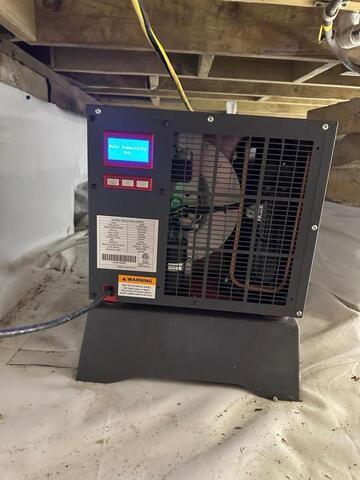
Even after obvious water intrusion has been addressed, humidity can remain a concern. A crawl-space dehumidifier can help maintain a more controlled environment by removing moisture from the air. This is particularly important in Florida, where outdoor humidity can remain high for extended periods. Dehumidification is especially useful as part of an encapsulated crawl space because the system can help maintain the dry conditions that the encapsulation is designed to create. LRE Foundation Repair offers a wide array of services for crawlspace moisture-control solutions. LRE'S moisture repair and control systems are designed to keep the crawlspace dry and add the filtration intended to remove small particles from the air. 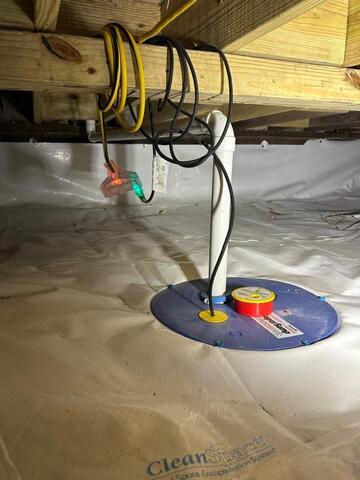
However, a dehumidifier should not be viewed as a substitute for repairing active leaks or controlling groundwater. If water is entering the crawl space, that source should be addressed first. For homes experiencing persistent moisture problems, crawl space encapsulation can provide a more comprehensive approach to moisture control.
Encapsulation essentially separates the crawl space from uncontrolled ground and outdoor moisture. Depending on the home's needs, the process can include a durable moisture barrier, sealed seams and penetrations, sump pumps, properly sealed crawl-space openings, drainage measures, insulation, and/or a dedicated dehumidifier.
The objective is to create a cleaner, drier, more controlled environment beneath the home, and LRE Foundation Repair's CleanSpace Crawl Space Encapsulation System does just that. LRE also emphasizes inspecting the crawl space before encapsulation to identify drainage issues, moisture damage, vents, structural conditions, and other concerns that should be addressed before the space is sealed.
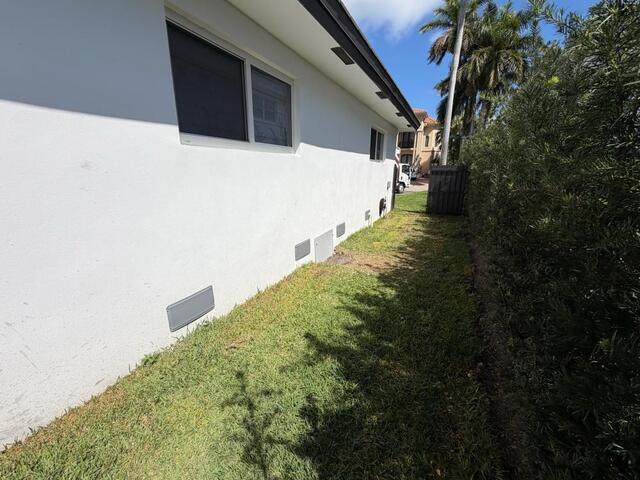
That inspection-first approach is important. Encapsulation or vent covers should not be used to simply cover up an existing problem. If groundwater is entering the crawl space, drainage or a sump-pump system may be necessary. If structural wood has already deteriorated, repairs may need to be completed before or as part of the moisture-control project. LRE Foundation Repair's crawl-space solutions can combine encapsulation with drainage, dehumidification, vapor barriers, and other measures depending on the home's individual conditions.
Don't Ignore the Small Openings Beneath Your Home
A crawl-space vent may look like a small and insignificant part of the home, but in Florida's humid environment, uncontrolled openings can contribute to a much larger moisture problem. The solution isn't always as simple as closing every vent. The crawl space should be evaluated as a complete system, including drainage, groundwater, humidity, ventilation, insulation, structural wood, and the condition of the foundation.
For some homes, repairing or replacing damaged vents may be enough. For others, adding a crawl-space dehumidifier can provide better humidity control. And when moisture is a persistent problem, a full encapsulation system may offer a more comprehensive solution.
LRE Foundation Repair can help homeowners identify the source of crawl-space moisture and develop a solution based on the home's specific needs. LRE offers free crawl-space inspections and structural repair throughout Florida.
If your crawl space smells musty, feels damp, has visible moisture, or shows signs of wood deterioration, don't wait for the problem to become a structural repair. Controlling moisture early can help protect the space beneath your home—and the home itself—for years to come.
