

The Hidden Impact of South Florida Humidity on Crawl Spaces and Foundations
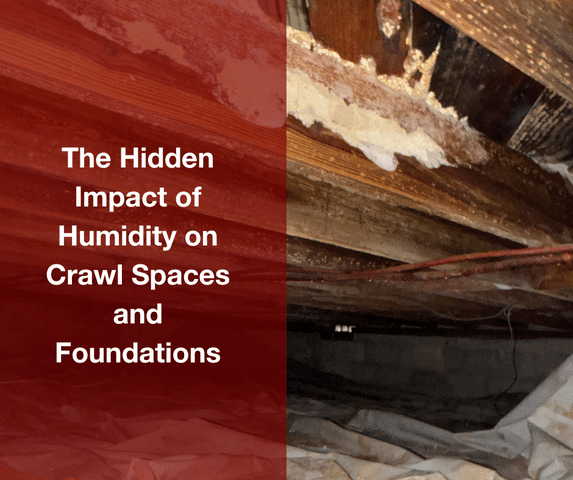
South Florida's climate can create a hidden challenges beneath many homes, including persistent moisture inside crawl spaces and around foundation systems.
A crawl space may be out of sight, but it is still part of the home's overall structural and environmental system. When warm, humid outdoor air enters a crawl space and encounters cooler wood, concrete, ductwork, or plumbing surfaces, moisture can accumulate. Over time, that moisture can contribute to condensation, mold growth, wood deterioration, unpleasant odors, and conditions that affect the durability of the home's structural components.
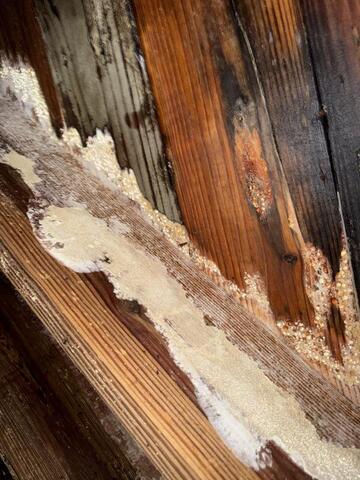
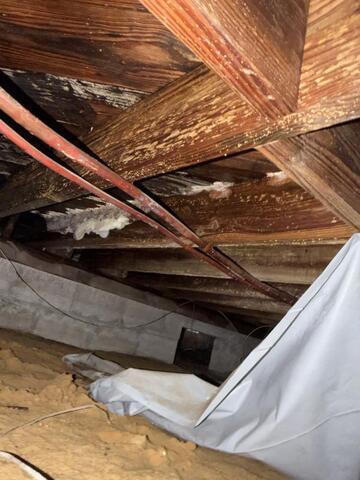
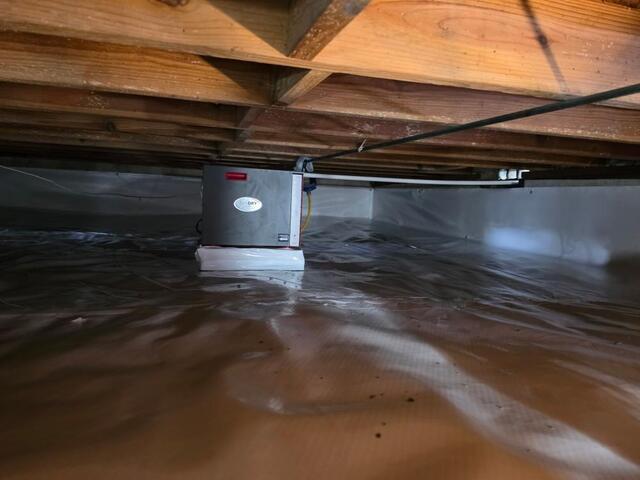
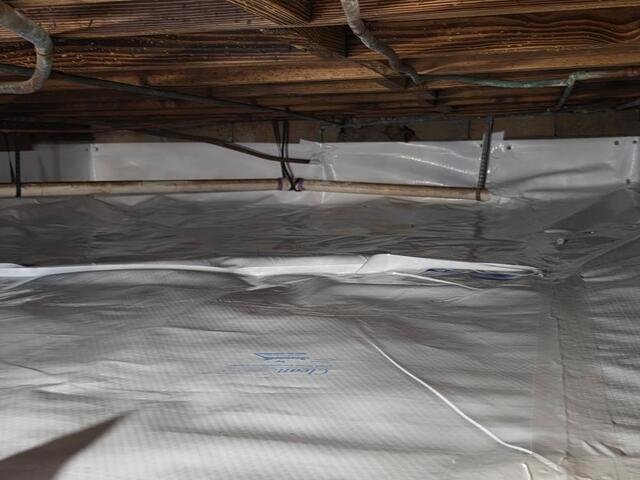
The photos provided are a good example of why crawl-space moisture deserves attention. One photo shows exposed wood framing with areas of discoloration and material buildup, while others show a crawl space where a ground vapor barrier has been installed as part of a moisture-control strategy, known as encapsulation. Together, they illustrate an important principle: controlling moisture is not simply about making a crawl space look cleaner—it is about protecting the systems that support the home.
Constant Moisture Exposure: A South Florida Challenge
Moisture can enter a crawl space in several ways. Rainwater and groundwater are obvious sources, but humidity carried by outdoor air can be just as important. Soil beneath the home can also release water vapor into the crawl space. In a hot, humid climate, these moisture sources can remain active for much of the year. Building science identifies several pathways for moisture movement, including bulk water, capillary movement, air-carried moisture, and vapor diffusion. Effective moisture management requires addressing the pathways that apply to a particular home.
A traditional vented crawl space may seem like it is designed to "breathe," but bringing outdoor air into a below-floor environment does not necessarily dry it out. When that outdoor air is warm and moisture-laden, it can actually increase the amount of moisture inside the crawl space.
That moisture matters because the crawl space contains many materials that can be damaged by prolonged exposure: wood joists, beams, subflooring, rim joists, insulation, mechanical equipment, and sometimes portions of the foundation assembly. The problem is often gradual. A single humid day is unlikely to cause major structural damage. Years of repeated moisture exposure are a different story.
One of the most overlooked moisture problems in South Florida crawl spaces is condensation. Think about a cold drink on a humid summer day. Water droplets form on the outside of the glass because warm, moisture-filled air comes into contact with a cooler surface. A similar process can occur beneath a home. Concrete foundation walls, plumbing, ducts, metal components, and portions of the wood framing can be cooler than the surrounding humid air. If those surfaces fall below the air's dew point, moisture can condense on them. This is especially important around floor framing and rim-joist areas. Moisture-laden summer air contacting cold crawl-space surfaces can result in condensation and wetting.
Mold, Odors, and Indoor Air Quality
A crawl space is physically separated from the rooms above it, but it is not necessarily isolated from them. Air can move through gaps, meaning odors and contaminants originating below the home can potentially migrate into the living space. Moisture is a critical part of this equation. The U.S. Department of Energy's Building Science Education resources note that excessive moisture can contribute to mold and bacteria growth, unpleasant odors, wood decay that affects foundations, and indoor-air-quality concerns. This is one reason a musty smell should not simply be treated as an odor problem. It can be a clue that the crawl space has an underlying moisture problem, and the goal is to identify and control the moisture source.
What Is Crawl Space Encapsulation?
Crawl space encapsulation is a comprehensive moisture-control approach designed to separate the crawl space from uncontrolled ground and outdoor moisture and then maintain appropriate humidity levels. A properly designed system typically involves more than simply putting plastic on the ground. Depending on the home's construction and moisture sources, encapsulation may include:
- Installing a continuous, sealed vapor barrier over the crawl-space floor
- Sealing the barrier around foundation walls, piers, and penetrations
- Addressing foundation drainage or bulk-water intrusion first
- Sealing or otherwise managing crawl-space vents
- Insulating foundation walls and rim-joist areas where appropriate
- Providing controlled dehumidification or conditioning
- Air-sealing openings between the crawl space and living space
- Monitoring the crawl space to ensure humidity remains under control
This ground vapor barrier/liner covers a substantial portion of the crawl-space floor. This type of ground cover is important because exposed soil can release moisture vapor into the crawl space. It's recommended that a continuous sealed ground cover as part of crawl-space moisture control, with seams and penetrations appropriately sealed.
Protecting the Home From the Ground Up
South Florida's humidity is not just a comfort issue. For homes with crawl spaces, it can become a building durability issue. Constant exposure to humid air can contribute to condensation. Condensation and ground moisture can keep wood damp. Damp materials can encourage mold and biological growth, and years of elevated moisture can contribute to deterioration of structural wood and other components.
That is why crawl-space inspections should look beyond standing water. A crawl space can have serious moisture concerns even when there is no visible puddle. The experts at LRE Foundation Repair look for discoloration, musty odors, condensation, damp insulation, deteriorated wood, damaged vapor barriers, standing water, plumbing leaks, drainage problems, and elevated humidity. The objective is simple: keep the crawl space dry, control moisture before it reaches the structure, and protect the foundation and framing for the long term.
For South Florida homeowners, crawl-space encapsulation can be an important part of that strategy—but it works best when it is approached as a complete moisture-control system rather than a cosmetic improvement. It's also important to choose a highly-trained, experienced contractor like LRE to complete the project. Because after all, the most important part of a home is often the part you never see.
