

Can Heavy Rain Cause Foundation Problems in Miami?
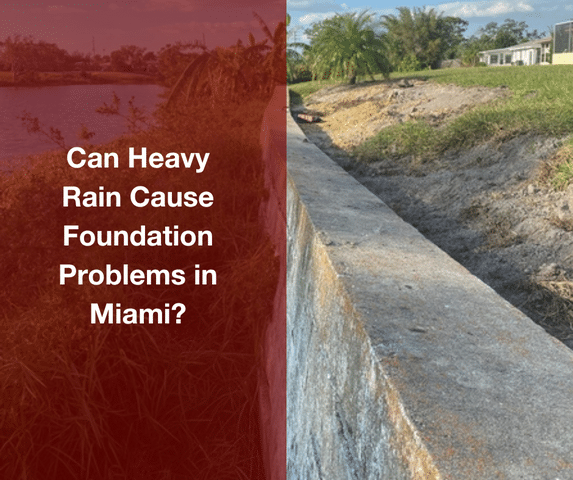
Heavy rain is a common part of life in Miami and throughout South Florida, especially during hurricane season and periods of tropical activity. While most property owners focus on flooding, roof leaks, or storm cleanup after severe weather, many overlook the hidden structural risks developing beneath their homes or commercial buildings. Excessive rainfall can significantly impact the soil supporting a structure, causing foundation settlement, slab movement, cracking, and long-term structural instability. In a region like Miami, where high groundwater levels, sandy soils, and intense storms are common, foundation issues caused by heavy rain are more frequent than many people realize. Understanding how storms affect structural foundations—and knowing the warning signs to watch for—can help property owners avoid costly repairs and protect the long-term integrity of their homes and buildings.
How Heavy Rain Affects Foundations in Miami
One of the biggest contributors to foundation problems after storms is soil saturation beneath the structure. Foundations rely on stable, compact soil to evenly support the weight of a building. However, after prolonged rainfall or flooding, especially after this year's period of drought, the ground beneath concrete slabs and footings can become overly saturated, unstable, or eroded. As water penetrates the soil, several structural issues can occur:
Saturated Soil Beneath Concrete Slabs
When soil absorbs excessive moisture, it may soften and lose its load-bearing capacity. This can cause sections of the slab foundation to shift or settle unevenly. In Miami’s coastal environment, fluctuating moisture levels and poor drainage can worsen this process, especially after tropical storms or hurricanes. As portions of the structure settle differently from others, structural movement can begin to appear throughout the building.
Soil Washout and Underground Voids
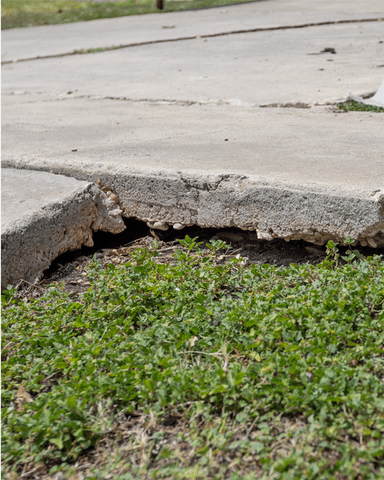
Heavy rain can also wash away supporting soils beneath slabs, sidewalks, driveways, and foundations. This process, commonly referred to as soil washout, creates empty spaces or voids beneath the structure. Over time, unsupported concrete may crack, sink, or collapse into these voids. In commercial buildings, this can become a serious structural safety issue if left untreated. Void formation is especially common in areas with drainage failures, leaking pipes, seawall deterioration, or significant stormwater runoff.
Foundation Cracking and Structural Movement
As the soil beneath a structure shifts, the foundation itself may begin to crack or move. Structural movement often starts subtly but can progressively worsen over time. Common forms of storm-related foundation damage include:
- Slab cracks
- Exterior wall cracking
- Stair-step cracks in masonry
- Ceiling or drywall cracks
- Separated floor tiles
- Uneven or sloping floors
- Expansion joint separation
- Structural settlement around columns or load-bearing walls
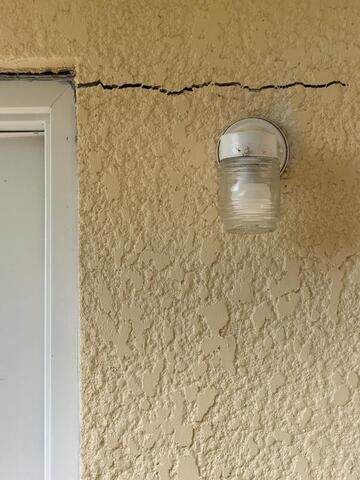
In severe cases, buildings may experience differential settlement, where one section of the structure sinks more than another. This can place additional stress on framing, walls, plumbing, and structural components.
Signs of Foundation Problems After Heavy Rain
After major rain events, homeowners and property managers should carefully inspect their buildings for signs of foundation movement or settlement. Some warning signs may appear immediately, while others develop gradually over weeks or months. Common signs to watch for in addition to those mentioned above are:
- New cracks in drywall, stucco, concrete, or flooring are often among the first visible indicators of foundation movement.
- Doors and windows sticking; When a structure shifts unevenly, door and window frames can become misaligned, making them difficult to open or close properly.
- Floors that suddenly slope, dip, or feel uneven may indicate settlement beneath the slab.
- Separation between walls, baseboards, cabinetry, or crown molding can point to structural movement.
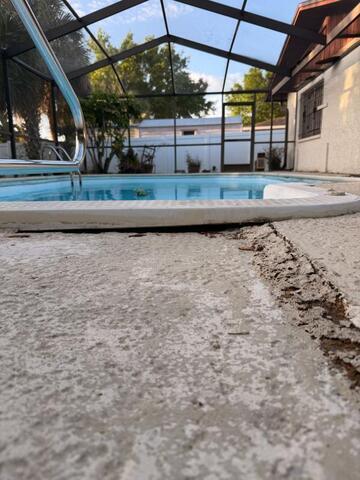
- Sinking concrete; Driveways, pool decks, patios, sidewalks, or warehouse floors that appear to sink after storms may indicate voids beneath the slab.
- Standing or pooling water around the building perimeter increases the risk of soil erosion and future settlement.
Why Miami Properties Are Especially Vulnerable
Miami’s environmental conditions create unique challenges for foundations and structural stability. Several regional factors, like high annual rainfall, hurricanes, storm surges, sandy soils, aging seawalls and others, increase the likelihood of storm-related foundation problems. Commercial buildings, condominiums, warehouses, and older residential homes may be especially susceptible to settlement issues after years of repeated storm exposure.
However, not every crack or minor cosmetic issue means a structure is failing, but sudden changes after heavy rain should never be ignored. If new structural symptoms appear following storms or flooding, it is important to schedule a professional inspection promptly. At LRE Foundation Repair, our structural or foundation inspections can help identify:
- Active settlement or movement
- Soil washout beneath slabs
- Hidden voids under concrete
- Water intrusion issues
- Structural cracking patterns
- Drainage-related foundation concerns
Early detection allows property owners to address problems before they become more severe and expensive to repair.
Foundation Repair and Structural Remediation Solutions
LRE Foundation Repair provides several specialized solutions for structures affected by heavy rain, soil instability, and foundation settlement in South Florida. Depending on the condition of the structure and underlying soils, remediation methods may include:
Polyurethane foam injection, which is commonly used to fill voids beneath concrete slabs and stabilize weak soils. The expanding foam helps lift and support settled concrete while improving ground stability beneath the structure.
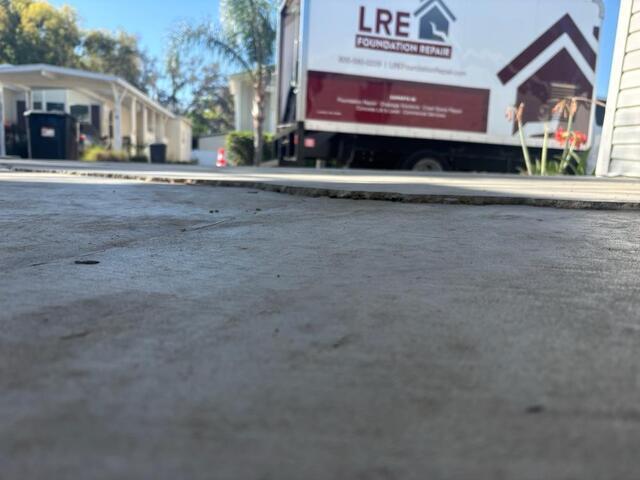
Slab Lifting and Leveling: Sunken concrete slabs, sidewalks, patios, and warehouse floors can often be lifted and leveled to restore safe, even surfaces.
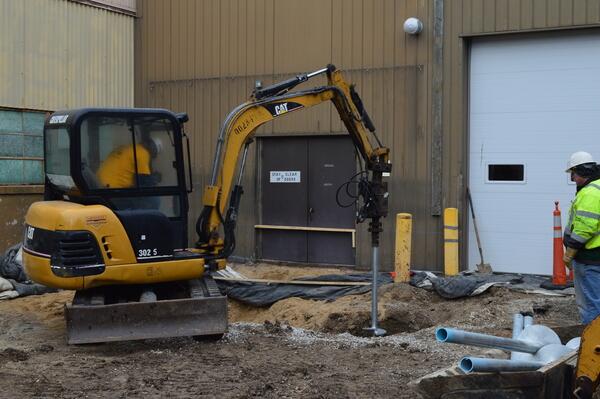
Helical Piers and Push Piers: For structures experiencing deeper foundation settlement, helical piers or push piers may be installed to transfer structural loads to more stable soils below the surface.
Soil Stabilization: Weak or water-compromised soils can sometimes be strengthened through soil stabilization methods designed to improve load-bearing support beneath the foundation.
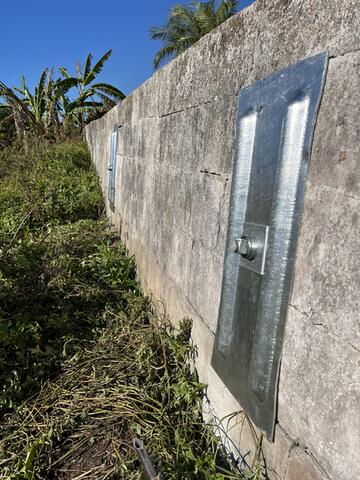
Seawall Repair and Stabilization: In coastal properties, deteriorating seawalls can contribute to soil erosion and structural instability. Repairing damaged seawalls helps reduce soil washout and protect nearby foundations.
Structural Support Solutions: Commercial and residential structures with significant settlement may require additional support systems to stabilize load-bearing areas and prevent ongoing movement.
Protecting Your Property After Major Storms
Foundation issues rarely improve on their own. Small signs of settlement can quickly become major structural problems if moisture intrusion and soil movement continue beneath the building. After hurricanes, tropical storms, or prolonged rainfall in Miami, property owners should remain proactive by monitoring for structural warning signs and scheduling inspections when concerns arise. Addressing settlement early always helps to minimize repair costs, preserve property value, and maintain the structural safety of the building. In South Florida’s storm-prone climate, protecting the foundation is one of the most important steps in protecting the structure itself.
