

From Drought to Downpour: How South Florida Weather Impacts Your Foundation
South Florida homeowners are no strangers to weather extremes. One month may bring intense heat and drought conditions, while the next delivers tropical storms, flash flooding, and days of heavy rain. While these shifts may seem like a normal part of Florida living, they can quietly create serious problems beneath your home. The constant cycle of dry soil shrinkage followed by sudden rain expansion places enormous stress on foundations, slabs, and structural supports. Over time, this movement can lead to foundation settlement, concrete cracks, uneven floors, sticking doors, and long-term structural instability. Understanding how South Florida weather affects your foundation can help homeowners recognize warning signs early and prevent expensive repairs down the road.
Why South Florida Homes Shift Seasonally
Unlike regions with stable, frozen ground, South Florida experiences year-round moisture fluctuations. The area’s sandy soils, high water table, clay pockets, and frequent storms create a constantly changing environment beneath homes. During dry periods, moisture evaporates from the soil. As the soil loses water, it shrinks and contracts. When heavy rain suddenly returns, the ground rapidly absorbs moisture and expands again. This repeated expansion-and-contraction cycle causes soil movement under the home.
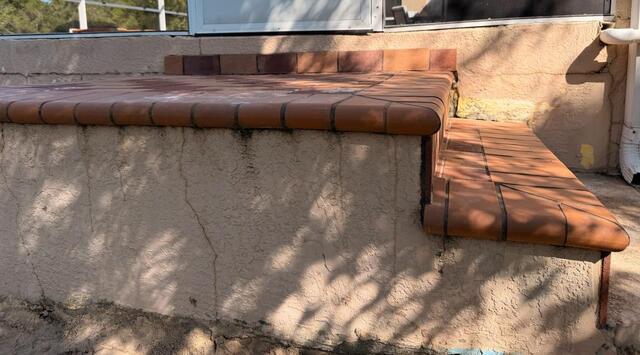
According to the Florida Department of Environmental Protection, expansive soils containing clay minerals can swell or shrink significantly depending on moisture levels, especially during periods of drought or heavy rainfall. This is one reason why foundation settlement in South Florida often appears seasonal. Homeowners may notice new cracks after a dry spring, followed by doors sticking or floors shifting after summer storms arrive.
Dry Soil Shrinkage: What Happens During Drought
When South Florida experiences prolonged dry weather, the soil beneath a home begins to lose moisture. Clay-rich soils are especially vulnerable because they naturally contract as they dry. As the soil shrinks, empty spaces or voids can form underneath the foundation. Without uniform support, sections of the home may begin to sink or settle unevenly. This process is commonly referred to as differential settlement. Some of the earliest warning signs of drought-related foundation settlement include:
- Hairline cracks in drywall or concrete
- Windows and doors that suddenly stick
- Gaps around exterior walls
- Uneven or sloping floors
- Cracks along tile flooring
- Separation between walls and ceilings
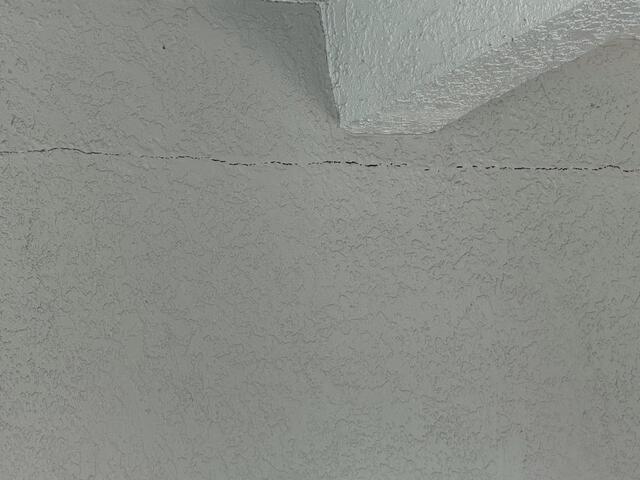
Foundation experts, like LRE Foundation Repair, note that soil shrinkage during droughts can pull soil away from the concrete slab, weakening structural support and increasing the risk of settlement. In many South Florida neighborhoods, especially areas built on fill soil or near former wetlands, even small moisture changes can create noticeable movement beneath the structure.
Sudden Rain Expansion After Storms
After weeks of dry weather, South Florida often receives intense rainfall from thunderstorms, tropical systems, or hurricanes. While rain may relieve drought conditions, it can also create rapid soil expansion beneath the home. When dry soil suddenly absorbs large amounts of water, it swells quickly. This expansion places upward and lateral pressure on foundations and slabs. Existing cracks may widen, and previously stable areas may begin shifting. Heavy rain also increases hydrostatic pressure around the home. Water pushing against the foundation can force moisture into tiny cracks and weaken surrounding soil conditions. This is why many homeowners notice concrete or foundation cracks after storms. The foundation is reacting to the abrupt change in soil moisture and pressure. This is one of the main issues our teams at LRE have encountered over the years, as many homes suffer from the repeated cycle of shrinking during drought and swelling during storms, which accelerates structural stress and foundation movement.
Foundation Cracks And What They Mean
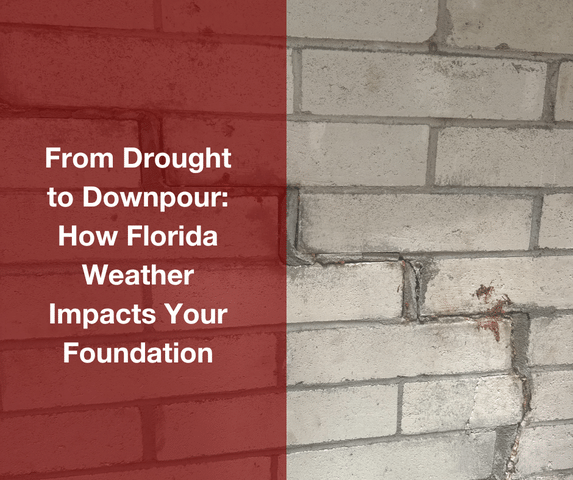
Not every crack indicates a serious structural issue, but certain cracks may signal active foundation settlement. Common warning signs include:
- Stair-step cracks in block or brick walls
- Horizontal cracks along the foundation
- Expanding diagonal cracks above doors or windows
- Cracks in garage floors or driveways
- Separation where walls meet ceilings or floors
Storm-related foundation cracks often appear because saturated soil loses its ability to evenly support the structure. In South Florida, erosion and water intrusion can worsen this problem, particularly in homes with poor drainage or aging foundations. Many local homeowners describe noticing new cracking immediately after periods of heavy rainfall, or shifting slabs, washed-out soil, and new structural movement following storms and drainage issues.
Uneven Floors and Seasonal Foundation Movement
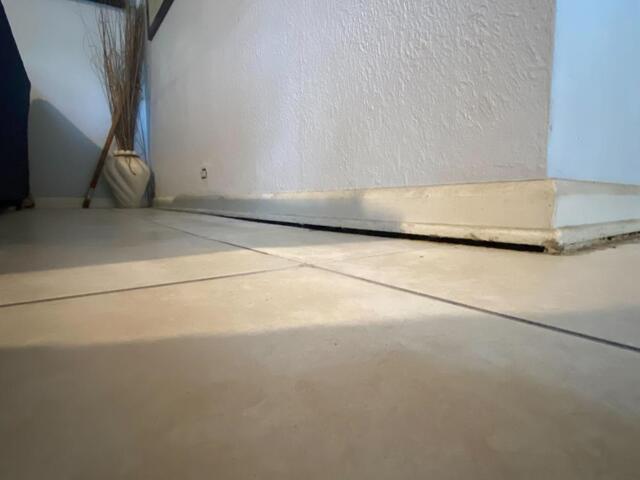
Uneven floors are one of the clearest signs that soil movement may be affecting a home’s foundation. When one portion of the home settles more than another, the slab can tilt slightly. This often causes sloping floors, bouncy or soft areas, gaps beneath baseboards, cabinets pulling away from walls, or interior cracking. Because South Florida soils continuously react to weather changes, some homes experience ongoing seasonal movement year after year. Areas with loose sandy soil, poorly compacted fill, or fluctuating groundwater levels are particularly susceptible. Research on Florida soil conditions shows that changing groundwater and rainfall patterns can reduce soil stability and contribute to long-term settlement problems.
Why South Florida Is Especially Vulnerable
Several regional factors make South Florida homes more susceptible to foundation movement than homes in many other parts of the country. One of those factors includes Florida's high water table, where naturally high groundwater levels create constant moisture variation beneath structures. Heavy rain can also rapidly saturate soils, while drought can quickly dry shallow layers. Florida is also prone to a mixed topography of sandy soils. Although sandy soil drains quickly, many areas contain mixed clay and organic materials that expand and contract with moisture changes.
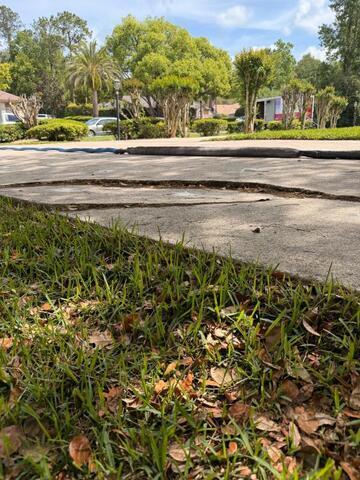
Frequent storm activity, especially in these recent months, can deliver intense rainfall in short periods, dramatically changing soil conditions around foundations or concrete slabs. Florida's coastal areas experience conditions where saltwater can intrude and cause erosion, fluctuating groundwater further destabilizing supporting soils. Rapid development in many areas of Florida, where communities are built on reclaimed wetlands or filled land, can also cause uneven settling over time.
How Homeowners Can Reduce Foundation Damage
While most of these factors cannot be controlled, homeowners can take steps to minimize foundation stress caused by soil movement by:
- Maintaining Proper Drainage: Ensure gutters, downspouts, and grading direct water away from the home.
- Monitoring Soil Moisture: During extended droughts, keeping soil moisture relatively consistent around the foundation may help reduce shrinkage.
- Inspecting for Cracks Regularly: Small cracks are easier and less expensive to address before they become major structural problems. LRE Foundation Repair offers free inspections, making the process as easy and painless as possible.
- Watching for Interior Changes: Uneven floors, sticking doors, or widening wall cracks often indicate movement beneath the home.
If signs of settlement appear, LRE can help determine whether movement is cosmetic or structural. South Florida’s weather patterns create a constant battle between drought and downpour. While these seasonal changes are normal for the region, the soil beneath your home reacts dramatically to shifting moisture conditions. By understanding why Florida homes shift and recognizing the warning signs early, homeowners can better protect their investment and avoid costly foundation repairs in the future. LRE Foundation Repair is always standing by with the best foundation stabilization and concrete repair solutions in the industry. Call today for your free inspection... and get peace of mind.
