

Slab vs. Crawl Space Foundations in Florida: Key Differences for Homeowners
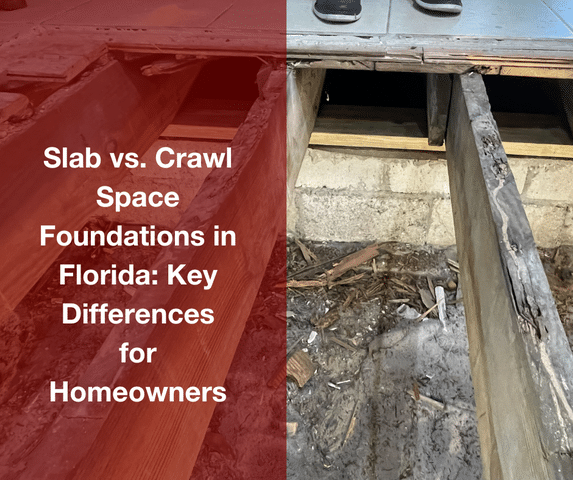
Florida’s climate presents unique challenges for residential foundations. Sandy soils, frequent heavy rain, high groundwater levels, and year-round humidity all play a role in how a home’s foundation performs over time. Because of these conditions, understanding the differences between slab-on-grade and crawl space foundations is especially important for Florida homeowners.
Slab Foundations in Florida
Slab foundations are constructed by pouring a thick concrete pad directly on prepared soil. This foundation type is very common throughout Florida because it is cost-effective, quick to build, and offers good resistance to termites. With no open space beneath the home, slab foundations usually reduce exposure to standing water under the structure. However, slab foundations are not immune to problems. Florida’s shifting soils can cause slabs to crack or settle unevenly, leading to cracks in flooring, drywall, or exterior walls.
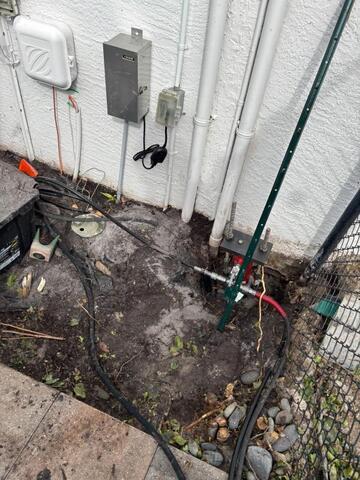
Another concern is plumbing leaks beneath the slab. Because some water lines are located in or under the concrete, even a small leak can erode soil and cause structural movement before the problem becomes visible. Doors or windows that suddenly stick or won’t close properly are also early signs of slab-related foundation movement, among others.
Crawl Space Foundations in Florida
Crawl space foundations elevate the home above ground level, creating an accessible area between the soil and the living space. While less common in newer Florida construction, crawl spaces are frequently found in older homes or properties built in flood-prone areas. And Florida has plenty of those!
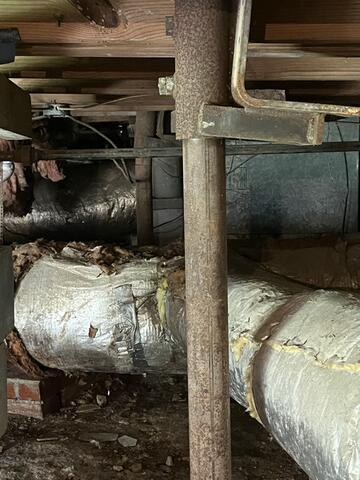
One advantage of this foundation type is easier access to plumbing, electrical, and structural components, making certain repairs more straightforward. The biggest challenge with crawl spaces in Florida is moisture. High humidity and groundwater intrusion can lead to damp conditions beneath the home, which may cause wood rot, mold growth, and deterioration of floor joists and support beams. Over time, these issues can result in sagging or uneven floors inside the house. Poor ventilation, inadequate drainage, or lack of moisture barriers often make these problems worse if left unaddressed.
Common Warning Signs That Require Professional Attention
Regardless of foundation type, some issues should prompt a call to a professional contractor, like LRE Foundation Repair, rather than a DIY approach. Key warning signs include:
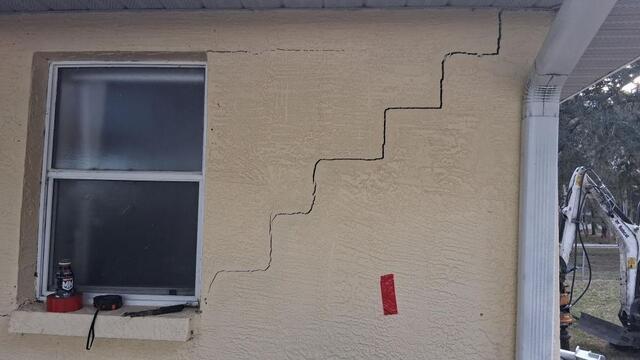
- Cracks in walls or floors that continue to widen
- Uneven, sloping, or sagging floors
- Persistent moisture, mold odors, or standing water
- Doors and windows that no longer operate correctly
These symptoms often indicate underlying structural or moisture-related problems that require specialized repair methods.
When to Call a Foundation or Crawl Space Repair Contractor
The experts at LRE Foundation Repair have the tools and experience to determine whether foundation issues are cosmetic or structural. For slab homes, this may involve identifying soil settlement, correcting drainage issues, or stabilizing the foundation with pier systems. For crawl space homes, repairs often focus on moisture control solutions such as drainage improvements, vapor barriers, encapsulation, or reinforcing weakened structural components.
Both slab and crawl space foundations can perform well in Florida when properly designed and maintained. Regular inspections, attention to drainage, and addressing early warning signs are the best ways to avoid major repairs. When problems arise, working with an experienced foundation or crawl space professional can help ensure your home remains safe, stable, and structurally sound for years to come. Call LRE today for a free home inspection and get your year started off on the right foot!
