

Do You Have a Crawl Space? How to Tell and Why It Matters
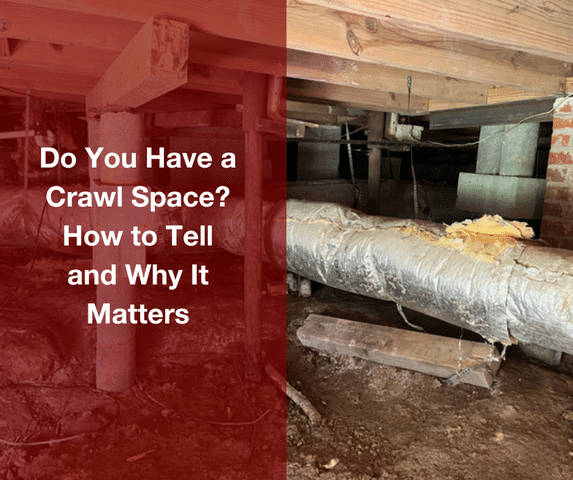
When you think about your home’s foundation, you probably picture concrete slabs or sturdy piers holding everything up. But what’s actually underneath your floors? If you’re a Florida homeowner, it’s worth knowing whether you have a crawl space — and why it matters for your home’s comfort, safety, and even your energy bills. Let’s dig into what a crawl space is, how to tell if your home has one, and what Florida homeowners should know about maintaining it.
What Is a Crawl Space?
A crawl space is a shallow, unfinished area beneath your home — usually between the ground and the first floor — that allows limited access to plumbing, wiring, ductwork, and structural supports. Typically, it’s about two to four feet high (just enough to “crawl” through, hence the name). However, in many areas of central Florida, or even flood-prone coastal areas, crawl spaces may be quite a bit taller.
How to Tell If Your Home Has a Crawl Space
If you’re not sure what’s under your home, here are a few easy ways to find out:
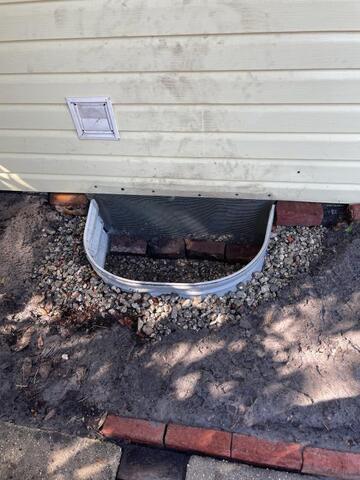
Look for an Access Hatch Outside
Walk around your home’s foundation. A small door or metal panel on the side of the house near the ground level could be your crawl space entrance.
Check Inside Utility Areas
Sometimes, the access hatch is inside — in a closet, under a stairwell, or in a laundry or utility room.
Observe the Height of Your Home
If your house sits a few feet above the ground (you can usually see steps leading up to the front door or a visible foundation wall), that’s a good indicator of a crawl space. Homes built directly on a concrete slab will sit flush with the ground.
Ask Your Builder or Look at Home Records
If your home is newer, your building plans or inspection reports should indicate whether your foundation is a slab, crawl space, or basement (though basements are rare in Florida).
Why Crawl Spaces Matter in Florida
Knowing whether you have a crawl space isn’t just trivia — it’s essential for home maintenance. In Florida’s humid climate, a poorly maintained crawl space can lead to a host of problems.
1. Moisture and Mold Issues
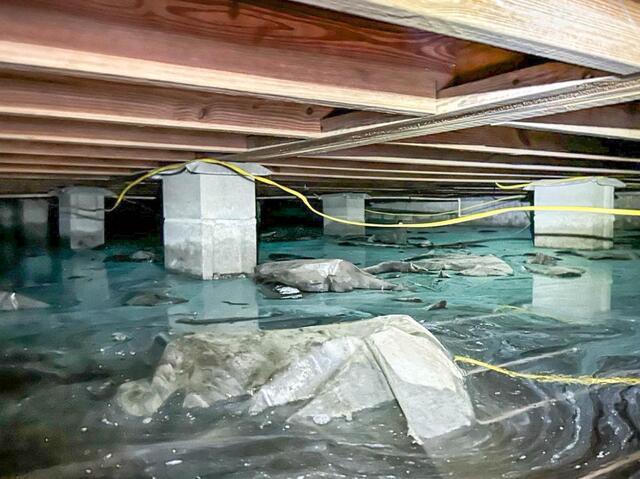
Florida’s humidity is no joke. Without proper vapor barriers or ventilation, crawl spaces can trap moisture, leading to mold growth, musty odors, and even wood rot in your floor joists. Over time, this can compromise your home’s structure and air quality.
2. Pest Problems
Crawl spaces are a favorite hangout for Florida’s less-welcome residents: termites, rodents, and even snakes. Regular inspections and sealing entry points can prevent infestations.
3. Energy Efficiency
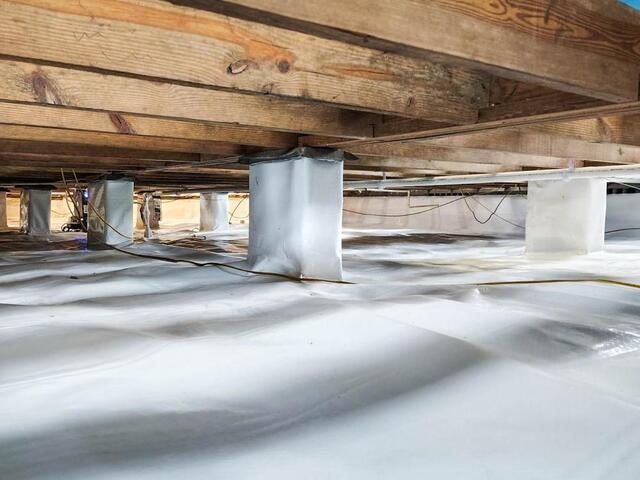
A damp, unsealed crawl space can cause your air conditioner to work overtime. Insulating and encapsulating your crawl space helps regulate temperature and reduce energy bills — something every Floridian can appreciate during the summer months.
4. Flood Prevention
For homes in flood-prone areas, a crawl space can help keep the living areas above flood levels. However, it’s important to ensure your crawl space has proper drainage and waterproofing to prevent water damage after heavy rain or tropical storms.
What to Do If You Have a Crawl Space
If you discover your home does have a crawl space, here are a few smart steps to protect it:
- Inspect regularly for moisture, standing water, or pest activity.
- Install a vapor barrier or consider full encapsulation to keep humidity out.
- Ensure proper drainage around your home’s foundation.
- Seal vents and access doors to prevent pest intrusion.
- Schedule annual inspections with a local crawl space or foundation expert.
Your crawl space may be out of sight, but it shouldn’t be out of mind — especially in Florida’s warm, wet climate. Knowing whether your home has a crawl space (and keeping it in good condition) can help you avoid costly repairs, improve air quality, and even increase your home’s value. If you’re unsure what’s beneath your home or you’ve noticed signs of moisture or sagging floors, now’s the time to take a closer look. At LRE Foundation Repair, we offer free inspections, so there's no easier way to give your home the attention it needs. A little attention today can save you a lot of headaches — and money — down the road.
